














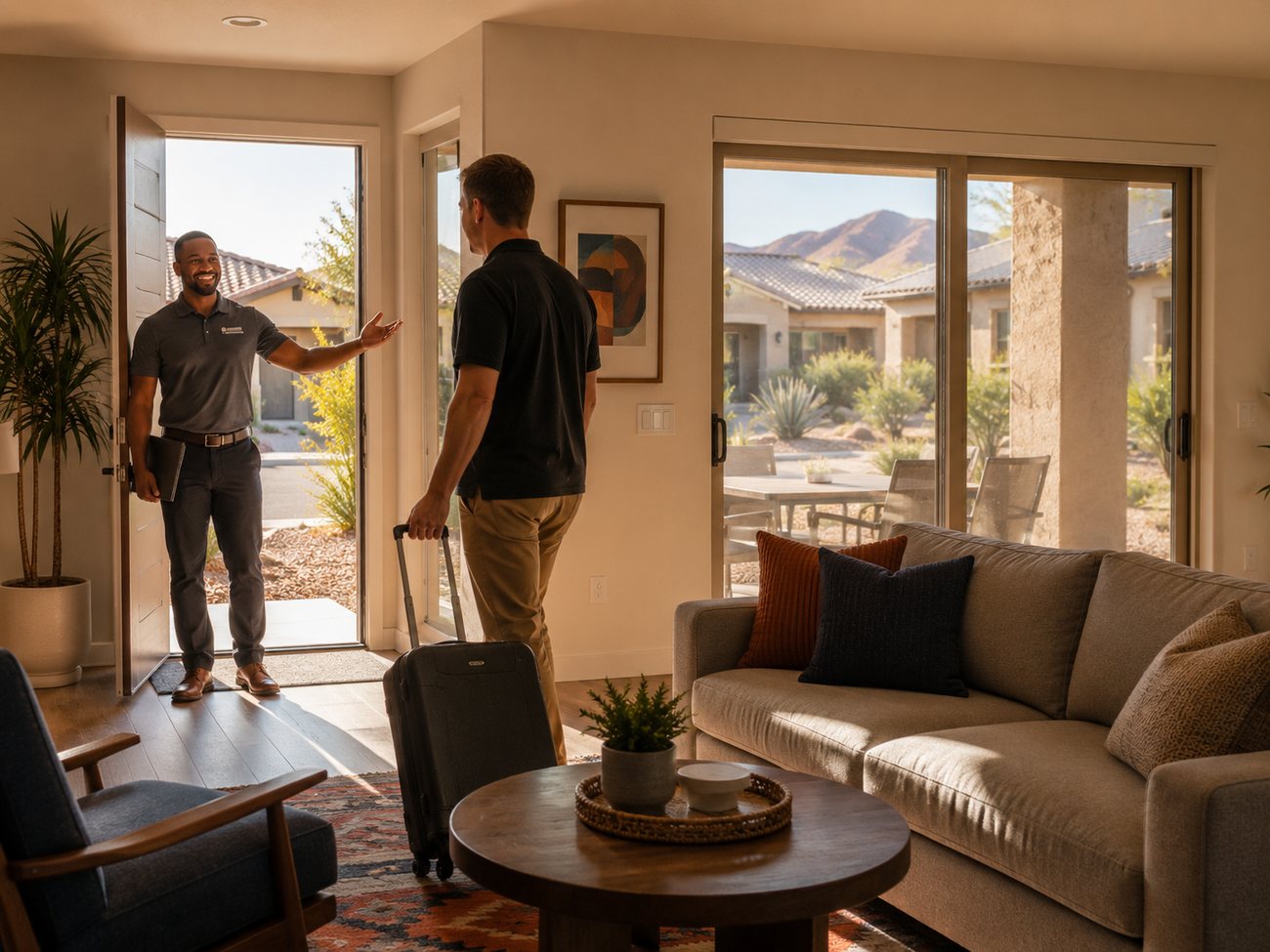
If you've tried to find an affordable place to live in Las Vegas, North Las Vegas, or Henderson in the last few years, you already know the math doesn't add up the way it used to. Rents climbed sharply through the early 2020s, vacancy has tightened, and population growth shows no signs of slowing. For people exiting homelessness, leaving incarceration, or rebuilding after a crisis, that math problem becomes a genuine barrier to stability.
The Numbers Behind the Shortage
At a housing summit held in April 2026, Nevada officials and housing researchers laid out the scale of the problem clearly: Clark County currently needs between 80,000 and 96,000 additional affordable rental units to meet demand. That shortfall didn't appear overnight. Between 2019 and 2023 alone, the number of vacant units available for rent or sale in the county dropped from 45,299 to 33,670 — even as the population kept growing. Officials at the same summit projected that nearly 400,000 additional people will move into the Las Vegas Valley over the next ten years, which means the gap between available affordable housing and the people who need it is likely to widen before it narrows.
A separate 2023 city of Las Vegas housing report, prepared under state law NRS 278.237, calculated a 29,934-unit shortage of affordable renter-occupied housing within city limits when measured against resident income levels. That figure reflects what's often called a "supply gap" — there simply are not enough rental units priced for what lower-income renters in the city actually earn.
A Market in Transition
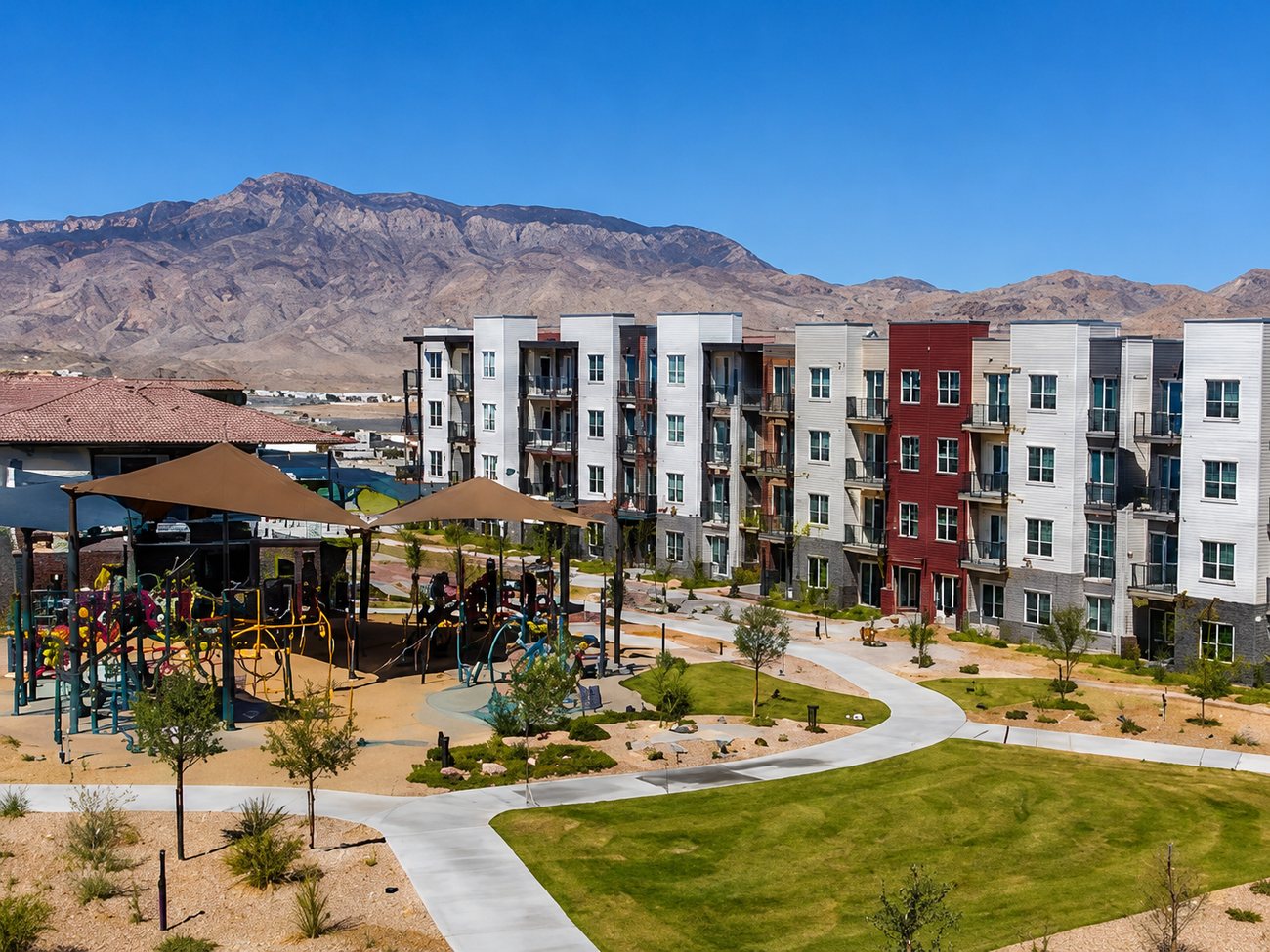
There is some encouraging news. Industry data from early 2026 shows that rental inventory across the Las Vegas Valley has been growing, which is gradually giving renters more choices than they had during the tightest years of the pandemic-era shortage. Nevada has also approved more than $64 million in funding through its attainable housing programs, support expected to help build more than 1,200 new multifamily rental units across Clark County and Henderson.
That said, more inventory at the top of the market doesn't automatically translate into more affordable units at the bottom. Most new construction in Las Vegas tends to be priced at or above market rate, which means the units most needed by people earning minimum wage, working part-time, or living on a fixed income remain the scarcest category of housing in the entire valley.
Who Feels the Shortage Most
According to the National Low Income Housing Coalition, Nevada has a significant shortage of rental homes that are both affordable and available to extremely low-income households — those earning at or below 30% of the area median income. Many of these households are severely cost-burdened, meaning they spend more than half their income on housing alone. That kind of financial strain makes it nearly impossible to build savings, absorb a medical bill, or recover from a job loss without falling into housing instability.
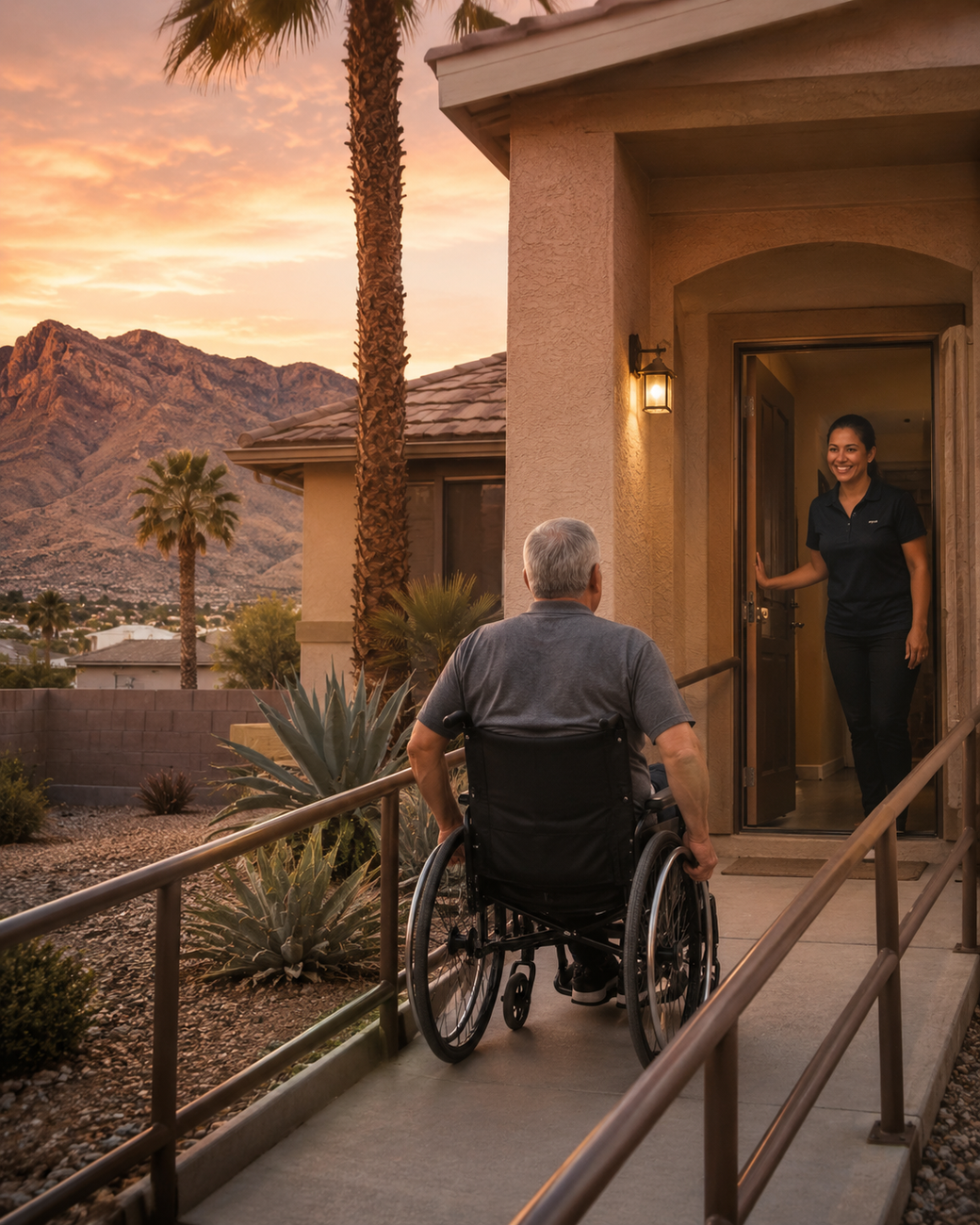
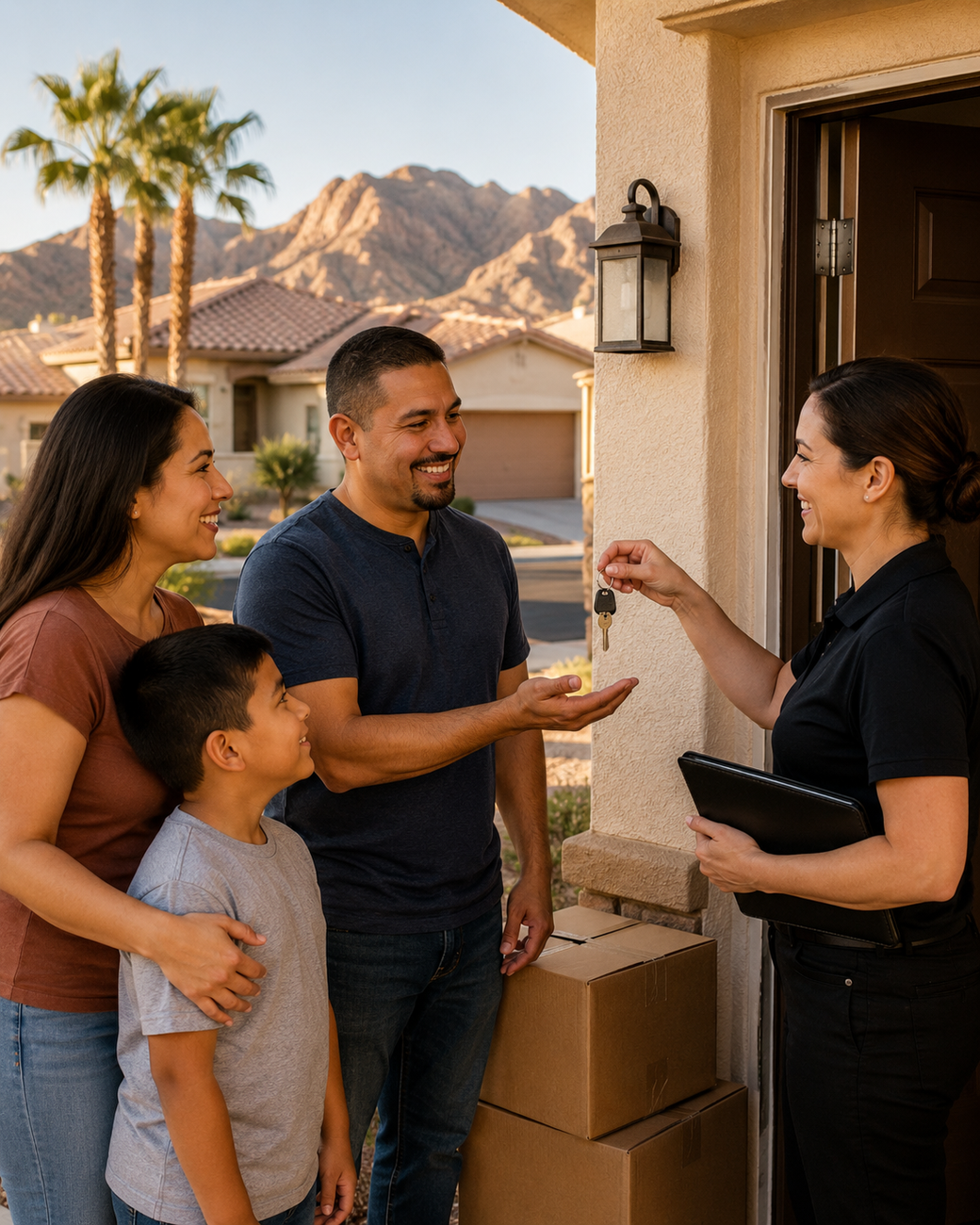
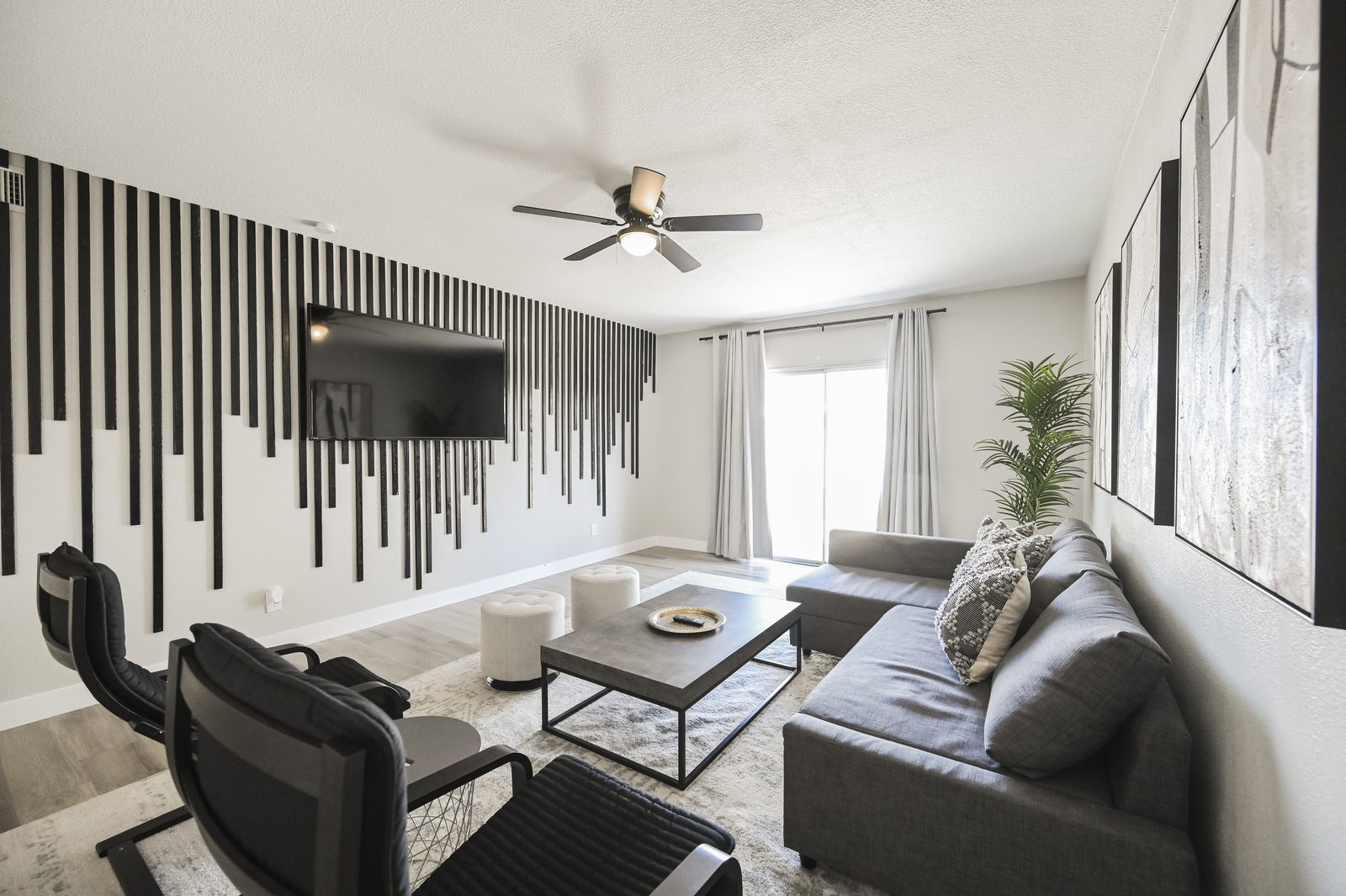
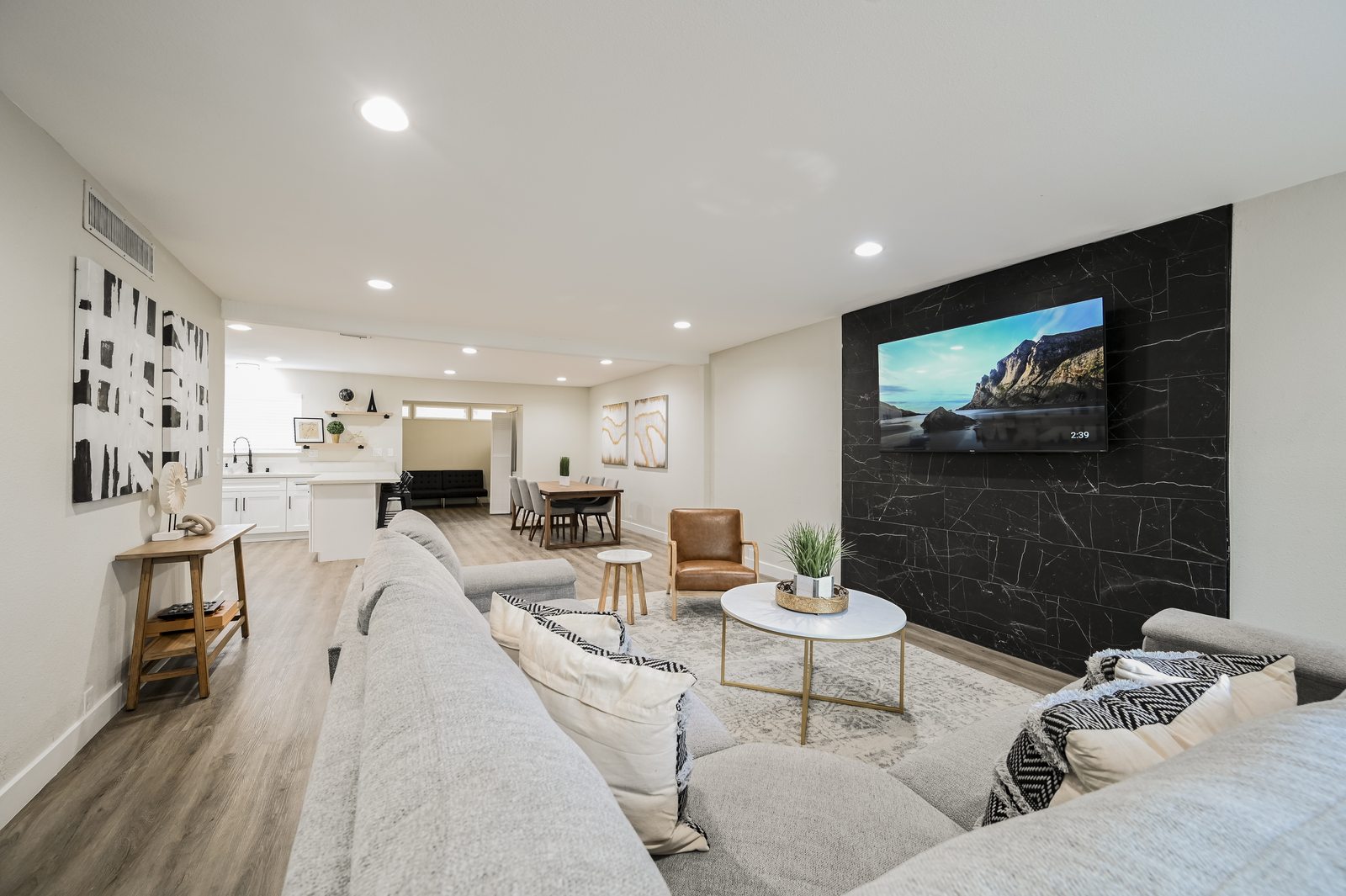
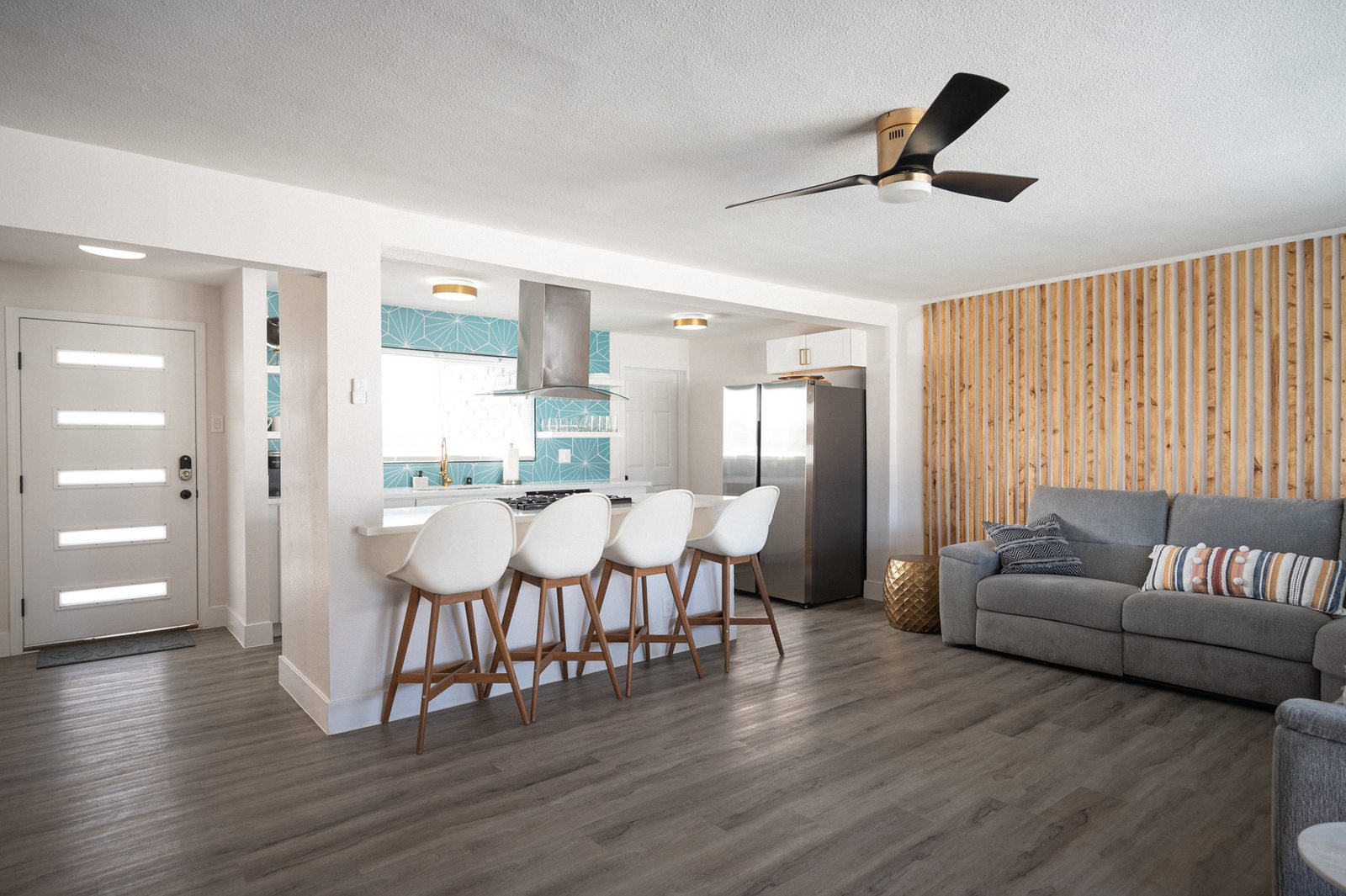
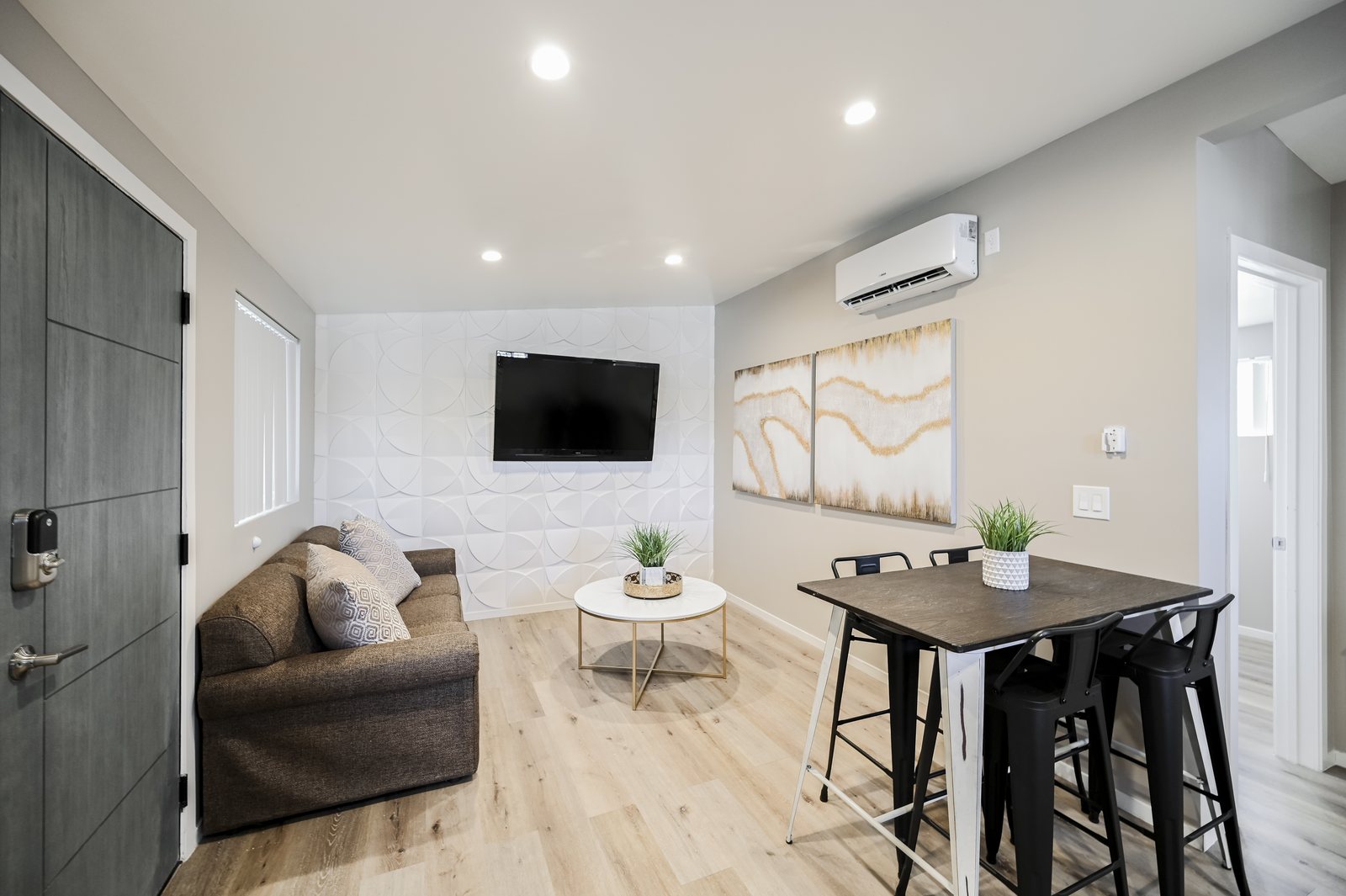
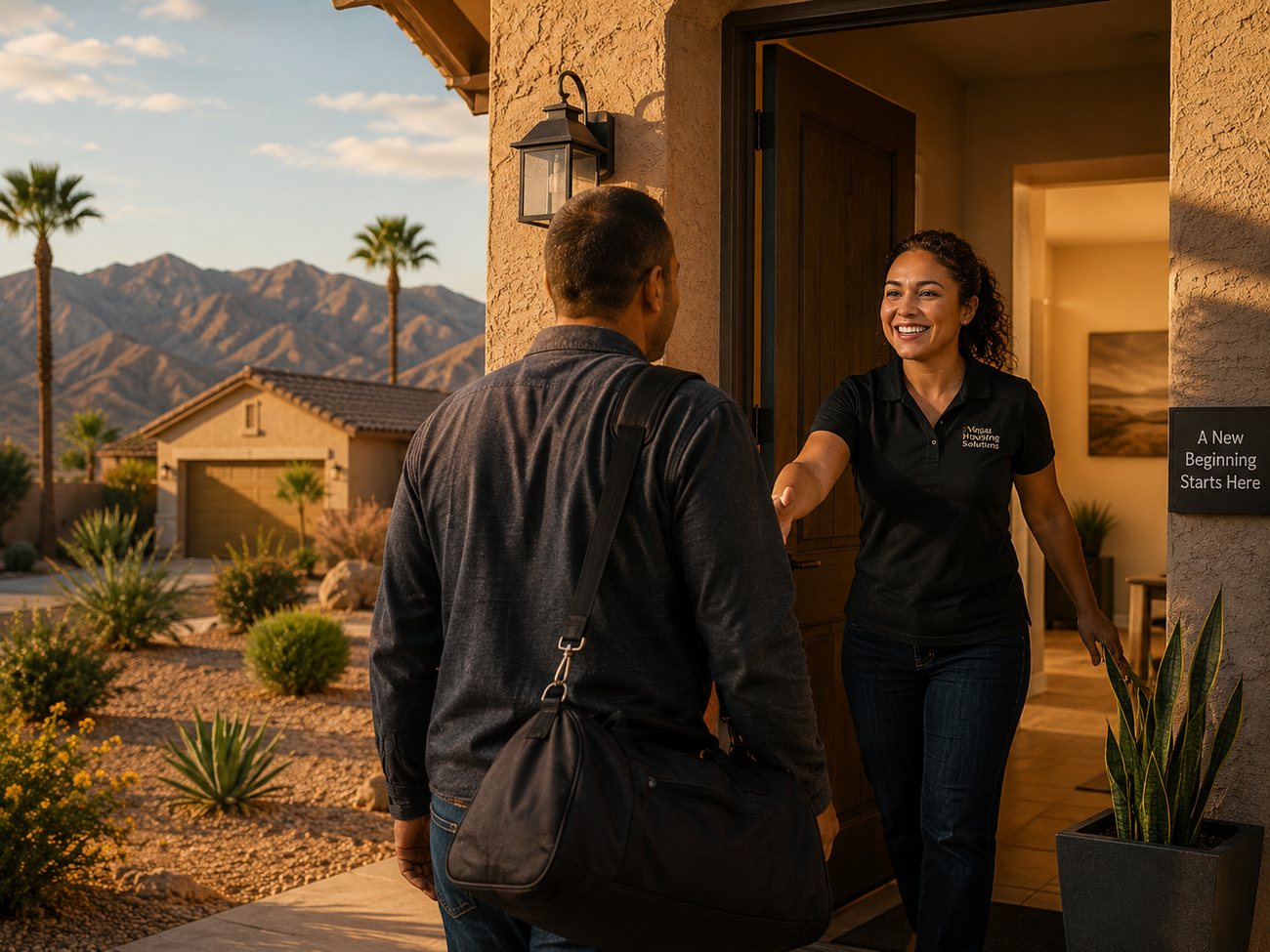
This is precisely the population that organizations like Vegas Housing Solutions exist to serve — people who don't need a shelter bed, but who do need a clean, stable, fully-furnished home with utilities included while they get back on their feet financially.
What's Being Done
- State-backed attainable housing funding is supporting new multifamily construction in Clark County and Henderson.
- Local governments are working with developers to identify land and streamline approval processes for affordable projects.
- Nonprofit and mission-driven housing providers are filling gaps that large-scale development can't address quickly, offering transitional and bridge housing while permanent affordable units come online.
- Community housing offices continue to track affordability data by income bracket to guide where new investment is needed most.
What This Means If You're Looking for Housing Right Now
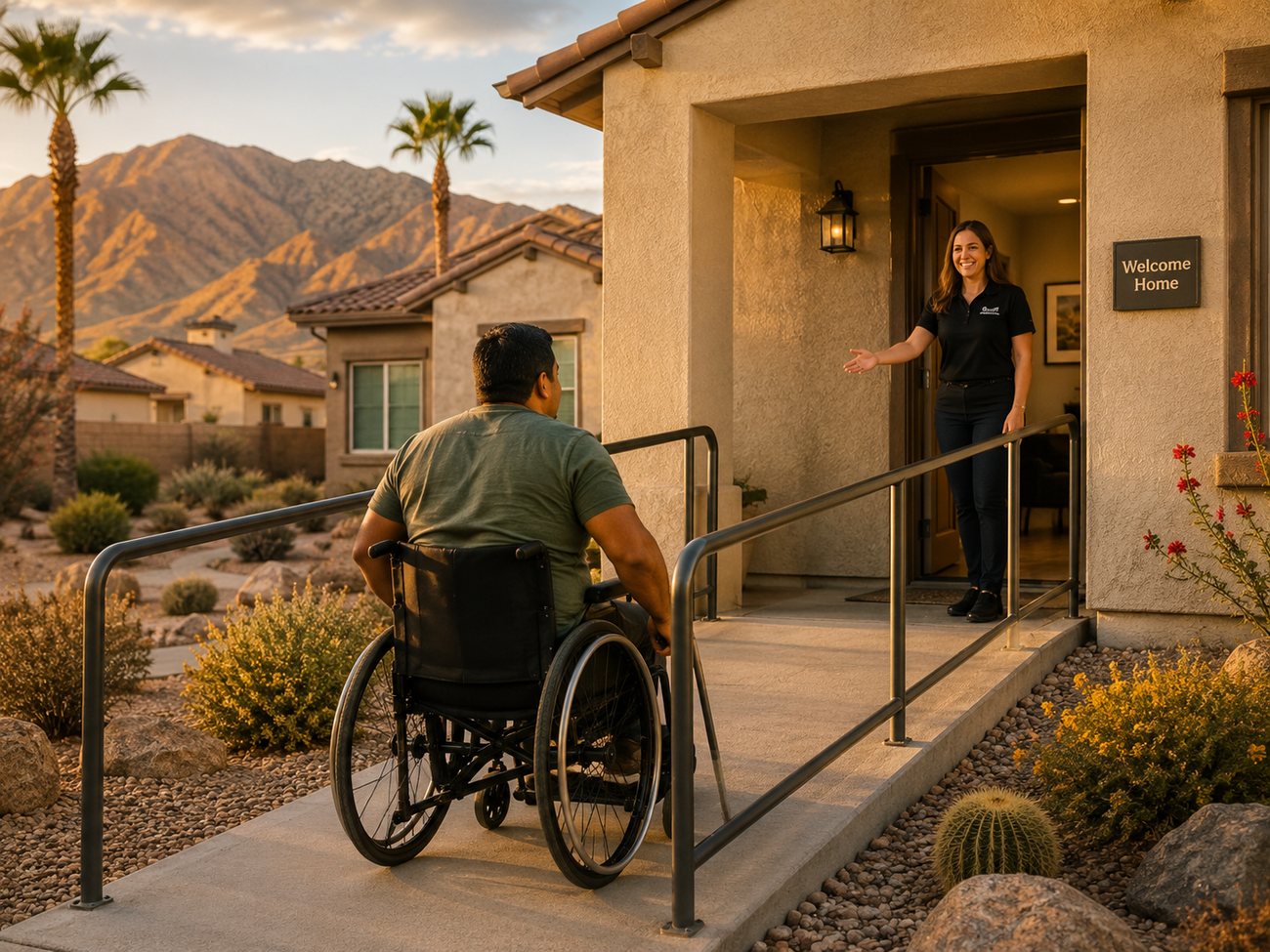
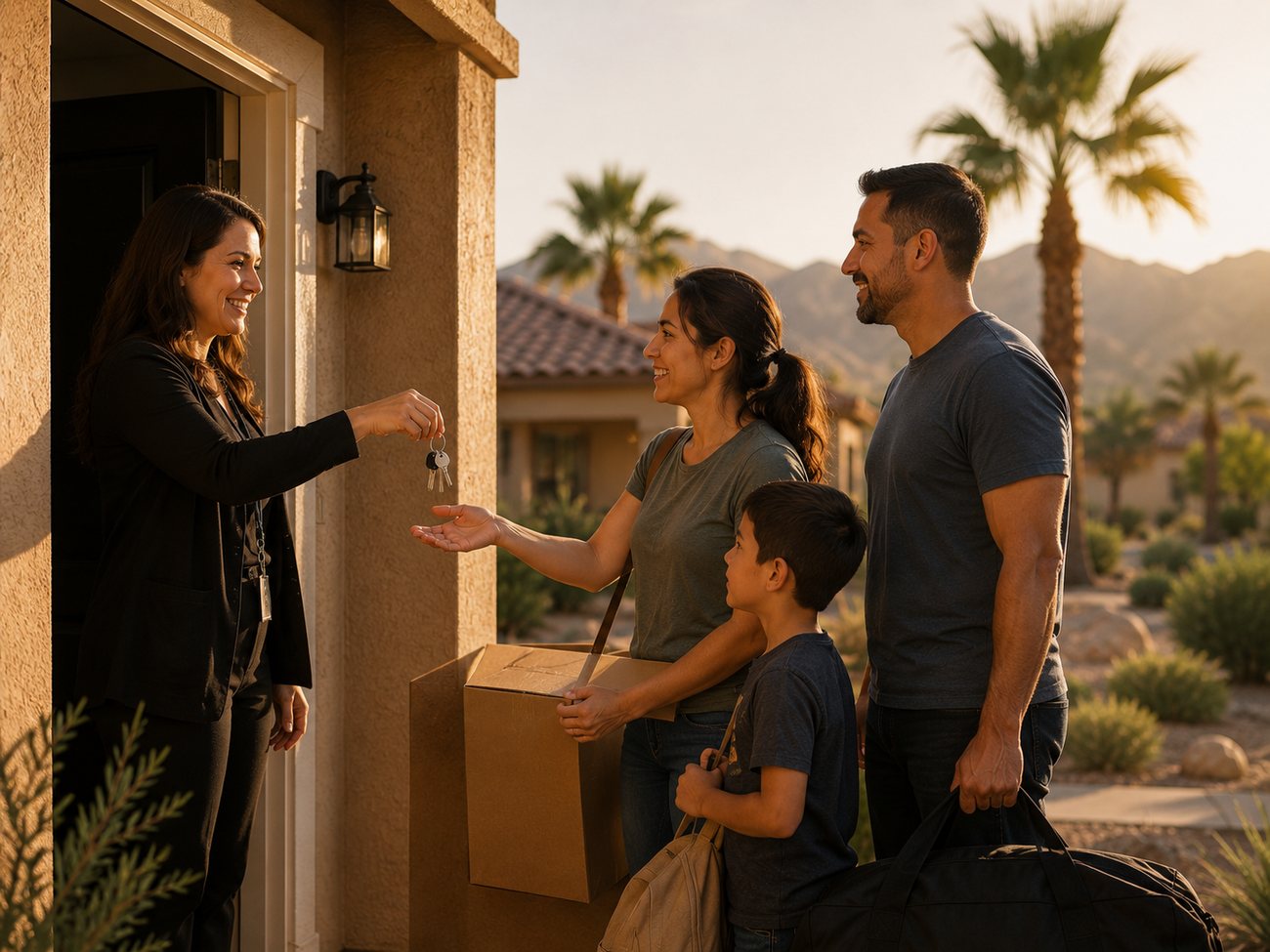
If the math of finding an apartment in Las Vegas right now feels impossible, you are not imagining it — the data backs up what you're experiencing. The good news is that you don't have to navigate this shortage alone. Bridge housing programs, transitional housing, and supportive living environments exist specifically because the traditional rental market isn't accessible to everyone right now. These programs are designed to give you a safe, stable place to live while you work toward longer-term housing, whether that means saving for a deposit, completing a recovery program, or simply waiting out a difficult financial stretch.
Need housing support or looking for a referral partner? Contact Vegas Housing Solutions today. Our team will respond within 24 hours to discuss available housing opportunities and determine the best fit for your needs.
Contact Us Today →Sources & References
- FOX5 Las Vegas, "Housing summit addresses Las Vegas Valley shortage," April 23, 2026.
- City of Las Vegas, "Housing Report NRS 278.237 / Assembly Bill 213," 2024.
- Shelter Realty Property Management, "More Rentals, More Choices: Las Vegas Inventory Growth Shifts the Rental Market in 2026," June 2026.
- National Low Income Housing Coalition, "Nevada Housing Needs," nlihc.org.
- ATTOM Data Solutions, "Housing Affordability Index Report: Clark County, NV."